 By Kevin
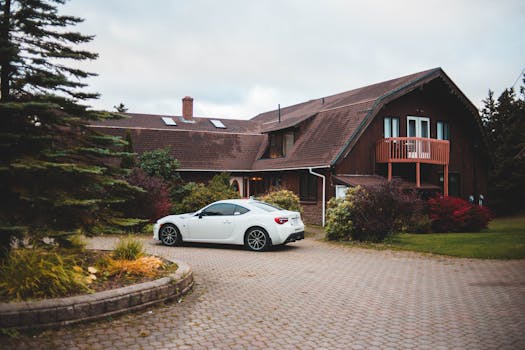

Have you ever driven past a house and found yourself captivated, not just by the structure itself, but by the way it’s presented? What is it about certain homes that draws the eye and whispers, “This is a place of care and beauty”? Often, the answer lies not in grand architectural gestures, but in the thoughtful dance between nature and design: the landscape. It’s a powerful, living facade that speaks volumes before anyone even steps through the door. So, how do we harness this transformative power? This exploration delves into how to improve your home’s curb appeal with landscaping ideas, moving beyond the predictable and into the truly impactful.
The Unseen Architects of First Impressions
When we talk about curb appeal, it’s easy to get lost in thinking about paint colors or front door styles. But the unsung heroes are often rooted in the soil. Your landscaping is the preamble to your home, setting the tone and framing the experience for visitors and passersby alike. It’s the first handshake your property offers. Think of it as storytelling; what narrative does your current landscape tell? Is it one of neglect, or one of intentional beauty and welcome? The truth is, even modest homes can achieve stunning curb appeal with strategic plant choices, thoughtful layout, and a touch of creative flair.
Cultivating a Welcoming Entryway: More Than Just a Path
The journey to your front door is a crucial part of the curb appeal equation. How can we make this transition more engaging? It’s about guiding the eye and creating a sense of anticipation. Consider the elements that contribute to a warm welcome:
Defined Walkways: A clear, well-maintained path signals intent and makes navigation effortless. Are your walkways cracked, overgrown, or simply nonexistent? A simple solution like laying down pavers, gravel, or even creating a defined edge with low plantings can make a world of difference.
Layered Planting at the Entrance: Don’t just plop a shrub by the door. Think in layers. Low-lying ground cover, medium-sized perennials, and perhaps a taller accent plant or small tree can create depth and visual interest. This approach adds texture and color, making the entrance feel more complete and inviting.
Illuminating the Path: Outdoor lighting isn’t just for security; it’s a design element. Strategically placed path lights or uplighting on key plants can create a magical ambiance after dusk, extending your home’s appeal well into the evening.
Strategic Planting for Maximum Visual Impact
What plants should we choose, and where should they go? This is where the real artistry comes into play when considering how to improve your home’s curb appeal with landscaping ideas. It’s not just about filling space; it’s about creating focal points, managing scale, and ensuring year-round interest.
The Power of the Focal Point: Every good landscape has a star. This could be a specimen tree with striking bark or a unique form, a vibrant flowering shrub, or even a well-placed sculpture. Position this focal point where it’s immediately noticeable from the street, drawing the eye and anchoring your design.
Varying Textures and Heights: A landscape that’s all one height or texture can feel flat and uninspired. Mix broad-leaved evergreens with feathery grasses, or smooth-leaved shrubs with plants boasting intricate foliage. This contrast adds richness and complexity, making the landscape more engaging to the eye.
Color Palettes that Sing: Think about the colors you love and how they can be integrated. Consider a color scheme that complements your home’s exterior. Blues and purples often evoke calmness, while reds and oranges can add vibrancy. Don’t forget the importance of foliage color – variegated leaves and dark purples offer interest even when flowers aren’t in bloom.
Seasonal Interest is Key: A landscape that looks good only for a few months is a missed opportunity. Incorporate plants that offer something to admire throughout the year. Evergreens provide structure in winter, bulbs offer spring cheer, summer blooms are a riot of color, and fall foliage provides a spectacular finale.
Beyond the Front Door: Enhancing the Entire Property
Curb appeal isn’t confined to the area directly in front of your house. The sides and even the back, if visible from the street, contribute to the overall impression. How can we extend this curated beauty?
Screening Unattractive Views: Is there an unsightly utility box, a neighbor’s less-than-pristine fence, or just a blank wall you’d prefer to de-emphasize? Strategic planting can effectively screen these elements. Larger shrubs or even a well-placed small tree can do wonders.
Defining Property Lines: While fences are traditional, landscaping can also create natural property boundaries. Hedges, rows of ornamental grasses, or even a succession of flowering shrubs can softly delineate your space without creating a harsh barrier.
Creating Depth with Layers: Even on the sides of your house, layering plants can add a surprising amount of visual appeal. A low border of flowers along the foundation, followed by a mid-height shrub, and perhaps a taller specimen in the corner, can make the space feel more expansive and thoughtfully designed.
Low-Maintenance Solutions for Busy Lives
The idea of extensive landscaping can sometimes feel overwhelming, especially if you have limited time or a preference for less hands-on gardening. But fear not; there are plenty of ways to achieve stunning curb appeal without becoming a slave to your garden.
Drought-Tolerant and Native Plants: These species are often perfectly adapted to your local climate and soil conditions, meaning they require less watering and are generally more resilient. This not only saves you time but also benefits the local ecosystem.
Mulching: The Unsung Hero: A good layer of mulch around your plants does more than just look tidy; it suppresses weeds, retains soil moisture, and moderates soil temperature. It’s a simple, effective way to maintain a clean and healthy-looking landscape.
* Hardscaping Elements: Incorporating elements like decorative gravel paths, stone borders, or even strategically placed large rocks can add visual interest and structure that requires minimal ongoing maintenance compared to plants alone.
Wrapping Up: The Lasting Impact of Thoughtful Landscaping
Ultimately, how to improve your home’s curb appeal with landscaping ideas is about more than just making your house look pretty. It’s about creating an extension of your home’s personality, a welcoming embrace for those who visit, and a quiet testament to the care you put into your surroundings. It’s an investment that pays dividends not only in potential property value but, more importantly, in the daily joy and pride you feel every time you pull into your driveway. So, take a step back, observe your current landscape with fresh eyes, and consider the possibilities. What story will your home’s exterior begin to tell?