 By Kevin
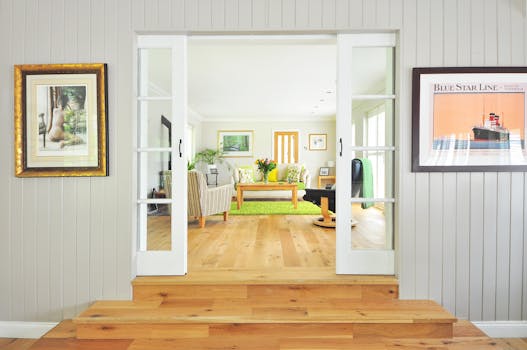

In an era saturated with stimuli and incessant consumption, the desire for a sanctuary – a space that breathes calm and fosters clarity – has never been more potent. But what truly defines a “modern, minimalist living space”? It’s far more than just decluttering; it’s a deliberate cultivation of an environment that reflects intentionality, promotes tranquility, and elevates daily living. This isn’t about stark, uninviting emptiness, but rather a curated aesthetic that prioritizes function, quality, and personal peace.
The pursuit of creating a modern, minimalist living space is, at its core, an exercise in thoughtful curation. It requires us to ask critical questions about what we truly need and value, pushing back against the pervasive notion that more is always better. The result is a home that not only looks sophisticated and uncluttered but also feels lighter, more organized, and fundamentally more conducive to a life well-lived.
Beyond Surface-Level Simplicity: The Foundational Principles
Many associate minimalism with a lack of items, but this is a superficial interpretation. True minimalist design is deeply rooted in purpose and intention. Every object, every material, every color choice should serve a reason beyond mere decoration.
Functionality First: Before aesthetics, consider how each element will enhance the utility of your space. Does that piece of furniture serve a dual purpose? Is the layout conducive to easy movement and daily routines?
Quality Over Quantity: Instead of accumulating numerous less-than-ideal items, invest in fewer, higher-quality pieces. These tend to have better design, durability, and a more pleasing tactile and visual presence.
The Power of Negative Space: Empty areas are not voids to be filled; they are active design elements. They provide visual rest, highlight the objects that are present, and contribute to an overall sense of order and spaciousness.
Sensory Harmony: Minimalism isn’t just visual. It’s about creating a harmonious sensory experience – think about the texture of fabrics, the subtle scent of natural materials, and the gentle play of light.
Deconstructing the Palette: Color, Texture, and Light
Achieving a modern, minimalist aesthetic hinges significantly on a nuanced approach to color, texture, and light. This is where the “modern” aspect truly comes into play, moving beyond the sterile white boxes often depicted.
#### The Understated Language of Color
The typical minimalist palette leans towards neutrals: whites, creams, grays, and subtle earth tones. However, this doesn’t preclude personality.
Monochromatic Depth: Employing variations of a single color can create a sophisticated and cohesive look. Think of different shades of greige or a spectrum of muted greens.
Strategic Accents: A single, carefully chosen accent color can provide a focal point and inject personality without overwhelming the space. This could be a deep navy on an accent wall, a rich terracotta in a throw pillow, or a vibrant emerald in a piece of art.
The Warmth of Wood and Natural Tones: Incorporating natural wood finishes, rattan, or woven textiles can introduce warmth and organic texture, softening the often-perceived coolness of minimalist design.
#### Textural Richness: The Unsung Hero
In a space with fewer objects, the tactile quality of surfaces becomes paramount. It’s how you introduce depth and visual interest without adding clutter.
Layering Neutrals: Combine materials like linen, wool, smooth concrete, matte ceramics, and brushed metal. The interplay of these textures creates a dynamic, inviting atmosphere.
The Comfort of Softness: Plush rugs, velvet cushions, or a chunky knit throw can add a layer of comfort and coziness, preventing the space from feeling stark or impersonal.
Natural Inclusions: Plants are an excellent way to introduce organic texture, color, and a sense of life. Their varied leaf shapes and natural forms add visual appeal.
#### The Dance of Light and Shadow
Light is perhaps the most crucial element in defining a minimalist space. It can transform the mood, emphasize form, and create a sense of openness.
Maximize Natural Light: Keep window treatments simple and functional. Sheer curtains or roller blinds allow light to filter in while maintaining privacy. Avoid heavy drapes.
Strategic Artificial Lighting: Layer your lighting. Ambient light (overhead fixtures), task lighting (reading lamps), and accent lighting (spotlights on artwork) all play vital roles. Opt for fixtures with clean lines and minimalist designs.
The Impact of Reflection: Mirrors, strategically placed, can amplify light and create the illusion of more space. Consider frameless mirrors or those with very slim, understated frames.
Curating Your Core: Furniture and Functional Art
The furniture in a modern, minimalist living space is not merely functional; it’s an integral part of the aesthetic. Each piece should be chosen with deliberation.
#### Furniture as Sculptural Elements
When creating a modern, minimalist living space, furniture pieces often transcend their utilitarian purpose to become sculptural elements within the room.
Clean Lines and Geometric Forms: Prioritize furniture with simple silhouettes and uncluttered designs. Think sleek sofas with low profiles, tables with slender legs, and chairs with elegant curves.
Multi-Functional Design: Invest in pieces that serve more than one purpose. A coffee table with hidden storage, a sofa bed, or modular shelving can maximize utility in a smaller footprint.
Strategic Placement: Arrange furniture to promote flow and create distinct zones within the room, without overcrowding the space. Negative space between pieces is as important as the pieces themselves.
#### The Art of Intentional Display
Displaying items in a minimalist home is an art form. It’s about showcasing pieces that hold meaning or significant aesthetic value.
The “Less is More” Gallery: Instead of a cluttered wall of family photos, select a few impactful pieces of art or photography. Consider a single large statement piece or a curated gallery wall with consistent framing.
Functional Objects as Decor: Beautifully crafted ceramics, a sculptural vase, or a well-designed lamp can serve as decorative elements without adding visual noise.
The Power of Vignettes: Create small, intentional groupings of objects on shelves or surfaces. These “vignettes” should tell a story and be visually balanced.
Navigating the Nuances: Avoiding the Pitfalls
Creating a modern, minimalist living space is a journey, and it’s easy to stumble. Being aware of common traps can help you stay on course.
The “Too Bare” Syndrome: True minimalism isn’t about living in an empty shell. It’s about thoughtful curation. If your space feels sterile or unwelcoming, consider adding more texture, warmth, or a personal touch.
Perfectionism Paralysis: Don’t let the pursuit of perfection prevent you from enjoying your space. It’s an evolving process. A few items out of place are part of real life.
The “Minimalist” Trap: Sometimes, the drive to be minimalist can lead to discarding items that genuinely bring you joy or serve a vital purpose. Be mindful of your personal needs and preferences.
Final Thoughts
The act of creating a modern, minimalist living space is a profound investment in your well-being. It’s about reclaiming control from the overwhelming tide of possessions and cultivating a serene environment that supports your goals and fosters inner peace. By embracing intentionality, prioritizing quality, and understanding the nuanced interplay of color, texture, and light, you can transform your home into a sanctuary – a testament to the power of less, done exceptionally well. This deliberate approach to design not only enhances aesthetic appeal but also cultivates a sense of calm and clarity that permeates every aspect of your life.